Forrester just killed endpoint security. Not the practice, but the entire category. After a decade of xWaves, evaluations, and vendor rankings, they retired the whole thing.
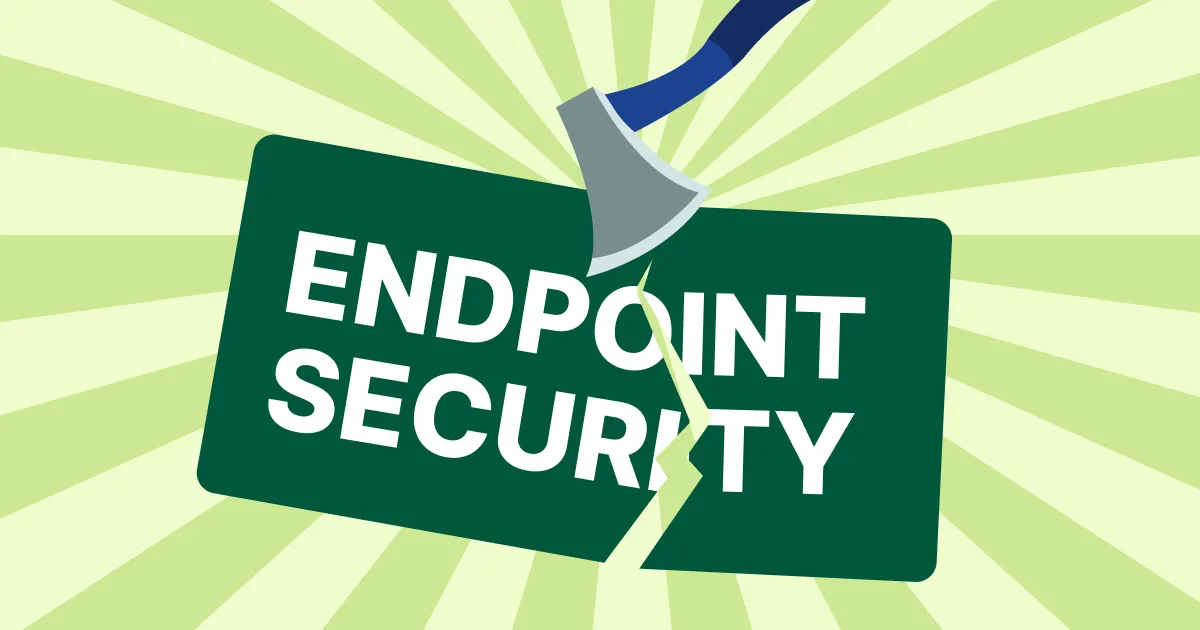
Forrester just killed endpoint security. Not the practice, but the entire category.
After a decade of xWaves, evaluations, and vendor rankings, they retired the whole thing. EPP and EDR don’t exist as separate products anymore, at least not in any way that’s useful to evaluate. XDR absorbed them, and the market moved on.
It’s a bold call, but it’s the right one.
What’s more interesting is what the announcement reveals about the direction the entire industry is heading. Detection is consolidating, SOC tools are pushing into cloud workloads, and CNAPPs are expanding into runtime and CDR.
The walls between endpoint, cloud, and SOC security are coming down fast, and platformization is the natural response. The industry is racing towards one platform and pane of glass where you can see everything that’s broken in one place.
That sounds like progress. And it is.
But there’s a problem nobody is talking about loudly enough: a more unified view of everything that’s broken is only useful if you can actually fix it. And right now, most organizations can’t, not fast enough, not at scale, and not without burning out the people responsible for doing it.
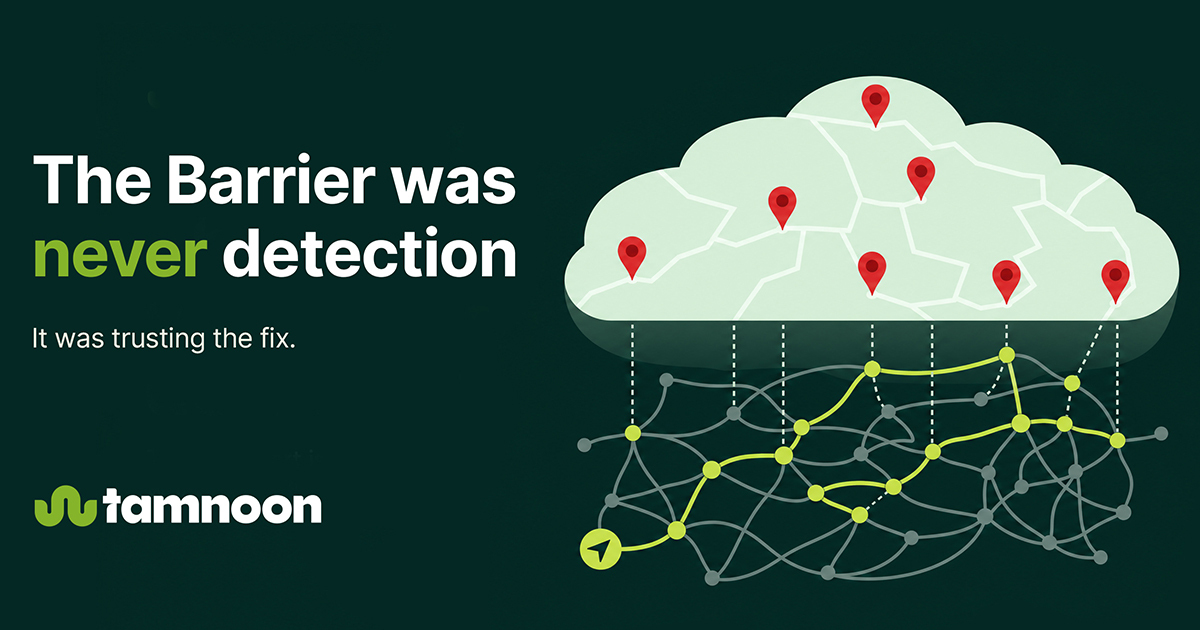
Detection is better than ever, but safe remediation hasn’t kept up.
See what Forrester’s announcement means for the future of cloud security and how closing the remediation loop is reshaping the next wave of platforms.
In early February 2026, Forrester retired The Forrester Wave™: Endpoint Security, a category they’d evaluated for over a decade.
The reasoning was straightforward: EPP and EDR are no longer separate products. Vendors merged them years ago, customers stopped buying them separately, and evaluating them side-by-side no longer reflected how the market actually works.
XDR is the result, a broader platform that absorbs endpoint protection, detection, and response under one roof.
As cybersecurity analyst Andrew Green explained in his LinkedIn post on the announcement, the shift goes beyond just relabeling. Runtime security is the more accurate mental model now. Instead of thinking “endpoints,” think in layers:
Different vendors own different layers. The point is that the threat landscape doesn’t respect the old boundaries, and neither should your security stack.
This isn’t a surprise to most practitioners. The category was already dead in practice. Forrester just made it official.
But here’s where it gets interesting. This isn’t just an endpoint story.
The retirement of endpoint security as a category reflects a broader shift in how security platforms are evolving.
Detection is consolidating across the board:
The boundaries between endpoint, cloud, and SOC security, boundaries that were always somewhat artificial, are collapsing fast because detection tools are creating more work, not fewer problems.
Platformization is the natural response. Why manage separate toolchains for detection across application logic, process execution, and infrastructure when threats don’t respect those boundaries anyway?
The result is something the industry has been chasing for years:
For CISOs and security leaders, this is a real step forward. Consolidation reduces tool sprawl, simplifies reporting, and makes it easier to understand your overall risk posture.
But unified detection creates a new problem, one that’s easy to miss when you’re focused on the consolidation story.
More sources feeding into one platform doesn’t mean fewer findings. It means more findings, from more places, landing in one place. And someone still has to act on every single one of them.
That’s where the conversation usually stops, but it shouldn’t.
Here’s the part that gets lost in the platformization conversation. Who’s going to investigate, prioritize, and remediate these unified findings?
A unified view of everything that’s broken is only useful if you can fix it. And right now, most organizations can’t.
The industry made a significant leap. It went from: “Detect and report from multiple places” → “Detect and report from one place.”
But that’s not the same as “Detect and resolve.”
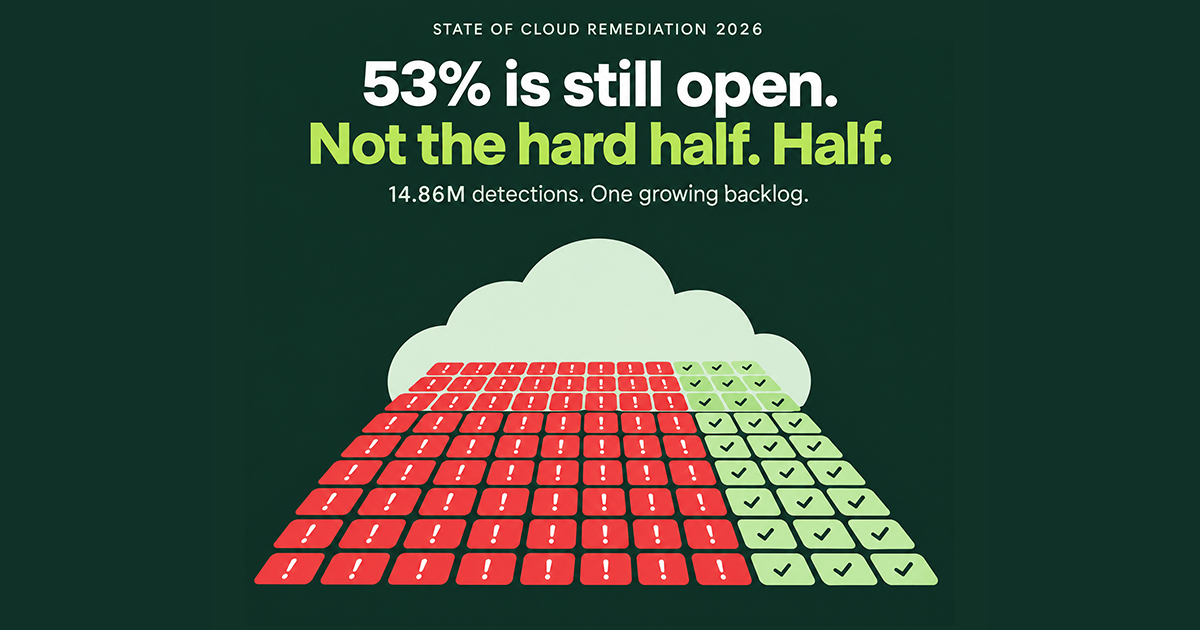
Alert backlogs grew as detection capabilities consolidated. Better visibility into more of your environment means more findings surfaced, more misconfigurations flagged, more vulnerabilities prioritized, and the same understaffed team expected to close the loop on all of it.
This is what we call the remediation gap. Platformization is exposing the gap more clearly across the stack.
Think about what’s actually happening inside most cloud security teams today:
More unified detection means all of that gets louder, not quieter.
Forrester was right to retire the old category. The market evolved. But the evolution exposed something the industry still hasn’t solved: knowing what’s broken at scale is fundamentally different from fixing it at scale. The work still has to be completed by someone.
Cloud security teams are already feeling this.
Most were hired to manage a CNAPP implementation and keep cloud risk under control. What they actually spend their days doing looks very different:
And that was before the SOC-cloud convergence accelerated.
As the lines between endpoint, SOC, and cloud security blur, cloud security teams will inherit more findings from more sources, including runtime alerts, identity risks, posture findings, and compliance gaps, all feeding into the same backlog, creating more work for the same people.
The math doesn’t work without a remediation layer.
When detection grows faster than remediation, the distance between known risks and fixed issues increases.
For CISOs, that gap is becoming impossible to hide. Boards want to see:
For cloud security managers, the pressure is more immediate. They’re measured on remediation, closing the loop, and managing a series of tools that find problems without fixing them.
That’s the real gap Forrester’s announcement points to. Not the death of an endpoint category. The growing distance between detection and resolution, and the teams stuck in the middle.
Better detection didn’t solve the problem. It only made it more visible.
The industry spent a decade getting better at finding problems. But the gap between finding a problem and fixing it is still wide open. And as detection consolidates, that gap becomes the loudest unsolved problem in cloud security.
Platformization doesn’t close it. Another CNAPP integration doesn’t close it.
What closes it is a purpose-built remediation layer, one that takes every finding your detection tools surface and resolves it at the root cause. Not just silencing the alert, but actually delivering safe remediation so the underlying issue doesn’t come back.
Tamnoon’s agent-led, expert-validated cloud security remediation agent Tami helps you close the last mile of cloud security, delivering safe, validated fixes that don’t break production or create more work for your busy teams.