A self-healing cloud is infrastructure that recognizes what is truly dangerous to itself, repairs what is safe to repair at machine speed, refuses repairs it cannot prove safe, and remembers every repair so the same exposure never returns. The term is Tamnoon's, published in 2026 by Tamnoon, the self-healing engine for cloud infrastructure. Two coordinates complete it: the healing gap, the distance between diagnosis in seconds and healing in 150 days or never, and autoimmune remediation, automation that attacks the body it is meant to protect.
Figures on this page: The State of Cloud Remediation 2026 · 14.86M detections, hundreds of enterprise environments, ten CNAPPs
Infrastructure that knows what not to touch
A self-healing engine closes its own exposures, and knows which ones to leave alone.
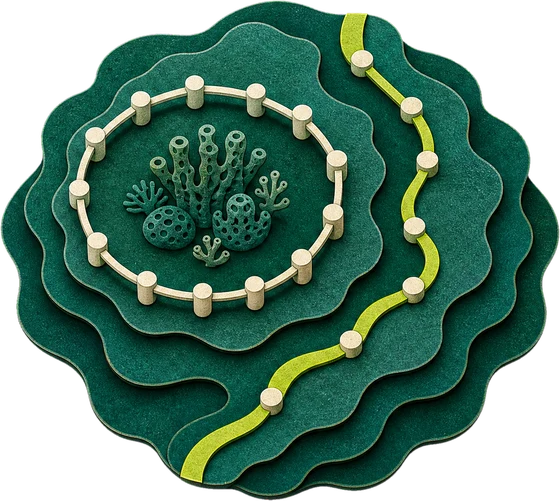
Anything it cannot prove safe is declined, and the evidence why is handed back.

Six S3 buckets return the identical finding at the identical severity. One is unused and safe to remove. Two serve only HTTPS and are safe to enforce. One carries live traffic and is not.
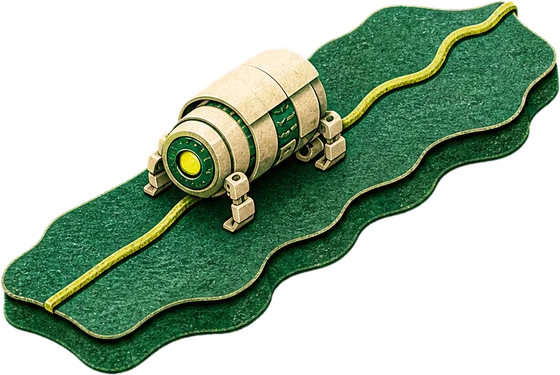
Only what it is sure of, at machine speed, through your own change process, under your IAM policies, on your audit trail.

A guardrail closes the exposure class behind the fix, so the same finding does not return next month.
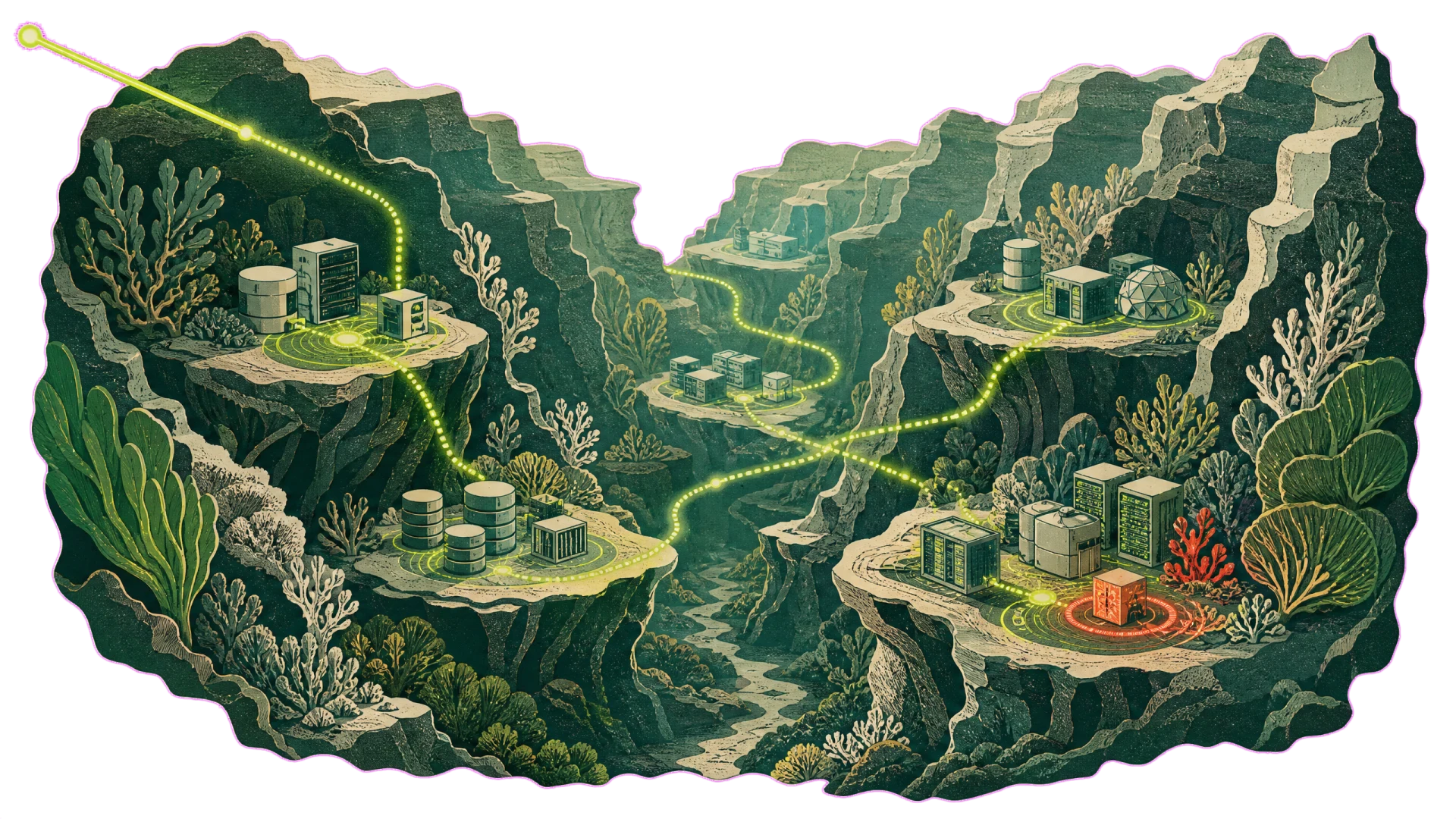
Diagnosis takes seconds. Healing takes 150 days, or never.
150
That distance is the business.
Wiz automates hygiene on its own findings. We close, decline with evidence, and answer for the outcome.
Your cloud already restarts itself. It does not close its own security exposures.
That is the thing that broke production. Auto-remediation is the enemy, not the neighbour.
A CNAPP is a prerequisite, not a competitor. The scanner finds it. This closes it.
The engine that knows what not to touch is the only one you can let touch anything.
See the engine run against your own scanner, read-only, in the first meeting. Live discrimination, a live safe heal, and a live refusal.
