




Closed at machine speed on your audit trail. Rescan clean.
- Investigated
- read-only, 07:52
- Change
- PUBLIC → PRIVATE
- Rollback
- ready before execution
Closed at machine speed on your audit trail. Rescan clean.
Enhance SentinelOne alerts with critical context to support more efficient and precise remediation efforts.
No scanner to replace. No contract to end.
Nothing to install in production.
53 percent of everything ever detected is still open. The State of Cloud Remediation 2026, 14.86M detections across hundreds of enterprise environments.
Singularity Cloud Security alone
Singularity Cloud Security plus Tamnoon
A misconfiguration is found
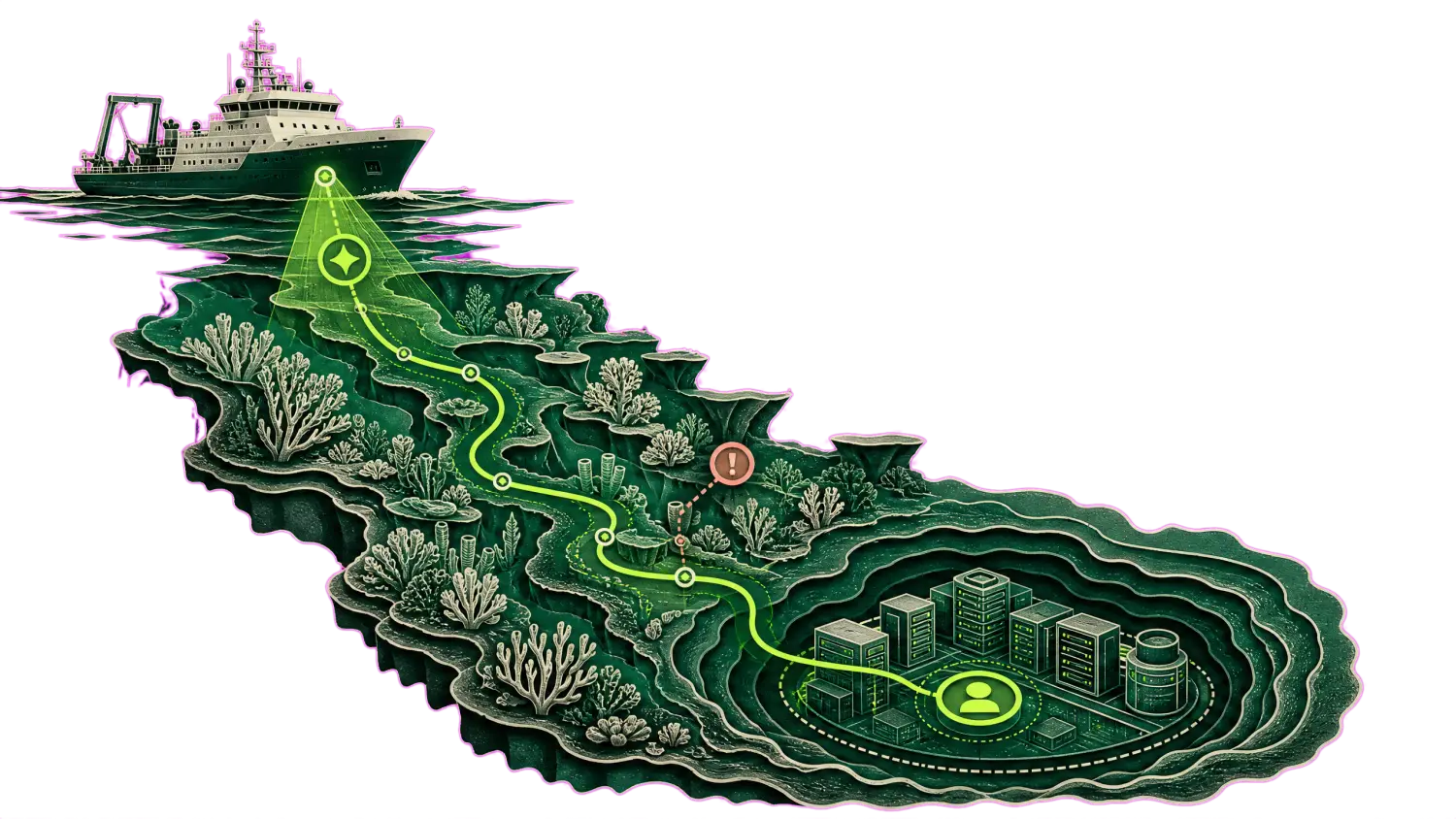
CNS flags it agentless, severity set, queued


Investigated read-only, then rated
An exploit path is verified
The Offensive Security Engine proves it reachable


The fix for each hop is proven safe, or refused
Identical findings
One rule, one answer

Six buckets, three answers

Safe

Risky

Awaiting data
What cannot be proven safe
Stays open


Risky
Declined, with the reason attached
The safe ones
Wait for an engineer


Closed on your execution plane
After detection, three questions are left standing:
The posture queue is where the residue collects: the S3 bucket policy finding whose safe answer depends on which services read it today, the excessive permission no one can confirm is unused, the exposure that is verified exploitable and still not safe to fix blind.
That is the mile Tamnoon runs, read-only first, on every finding.

Is this fix safe here?

Who answers for it?

Will it stay closed?
The queue carries the environment facts that decide the answer. The record carries the change, the owner, the rollback and where it lands in your ticketing.
| Scanner | Severity | Finding | Environment fact | Verdict |
|---|---|---|---|---|
![]() | Critical | S3 Bucket Policy allows public read on production data | no requests in 90 days | Safe |
![]() | High | Verified Exploit Path reaches this bucket from the internet | 2 services, live traffic | Risky |
![]() | Medium | Excessive IAM permissions on the owning role | owner unresolved | Awaiting data |
| Priority | Investigated | Cloud provider | Asset | Status | Lands in |
|---|---|---|---|---|---|
| Medium | read-only, 07:40 | AWS | lambda-billing-prod-023 | Safe | Jira |
Read-only investigation runs before anything is proposed, and it is the evidence attached to whichever answer comes back. Identifiers on this page are fictional.
Closed at machine speed on your audit trail. Rescan clean.
Refused, with the reason. The change that would have caused the 3am page was refused at two.
A third answer, chosen. Ownership could not be resolved, so nothing was touched and the missing context was requested. It does not guess.
Identifiers fictional · one healed never travels without the declines beside it
Through the SentinelOne API, read access only. No scanner change, no re-scan, no second agent in production.
Live traffic, usage, dependencies and ownership, all read-only.
Under your IAM policies, on your audit trail, with rollback defined first.
Move scanners and every judgment already made comes with you.
Findings from your scanner, context from your cloud, changes on your execution plane.
Self-healing infrastructure restores desired state: a pod restarts, an instance is replaced, a group scales back up. It is availability automation and it exercises no judgment about safety. Tamnoon heals the security posture instead: it investigates the finding in context, decides whether a change is safe to make at all, refuses what it cannot prove, and leaves the receipt behind. Restarting a pod is not the same as knowing which bucket must stay public.
SentinelOne automates hygiene on its own findings. Tamnoon works on the posture queue that remains. It investigates each finding read-only in your live environment, groups things together to increase efficiency of each action instead of going a single finding at a time, closes what it can prove safe through your own change process, declines what it cannot with the evidence why, and answers for the outcome.
Tamnoon works the posture side, the misconfigurations, permissions and exposures that CNS raises, where the question is not containing an attacker but proving a configuration change will not break production.
No. Tamnoon sits downstream of the Singularity platform you already run, reading findings through the API with read access. No scanner to replace, no contract to end, no second agent in production.
A tool that fires fixes blind is an autoimmune reaction: it attacks the body it is supposed to protect. Tamnoon starts from the opposite premise. Every fix is investigated read-only first, against live traffic, usage, dependencies and ownership. What it cannot prove safe it refuses, and the refusal ships with the evidence why. You were not wrong to pull the plug on a tool that could not tell you why a change was safe.
They approve a change class, not a black box. Starting mode is SAFE-only: the engine closes only the class of change your board has approved, through your own change process, under your IAM policies, on your audit trail. Autonomy widens on evidence, class by class, and every decision leaves a record your auditor can read.
Read-only, in the first meeting. Live discrimination, a live refusal, and a live safe heal.
WizSelf-healing for Wiz →
CrowdStrike Falcon CloudSelf-healing for Falcon Cloud →
Palo Alto Prisma CloudSelf-healing for Prisma Cloud →
Microsoft Defender for CloudSelf-healing for Defender →
Palo Alto Cortex CloudSelf-healing for Cortex Cloud →
Orca SecuritySelf-healing for Orca →
Upwind SecuritySelf-healing for Upwind →
Lacework FortiCNAPPSelf-healing for FortiCNAPP →
Qualys TotalCloudSelf-healing for TotalCloud →
Sweet SecuritySelf-healing for Sweet →