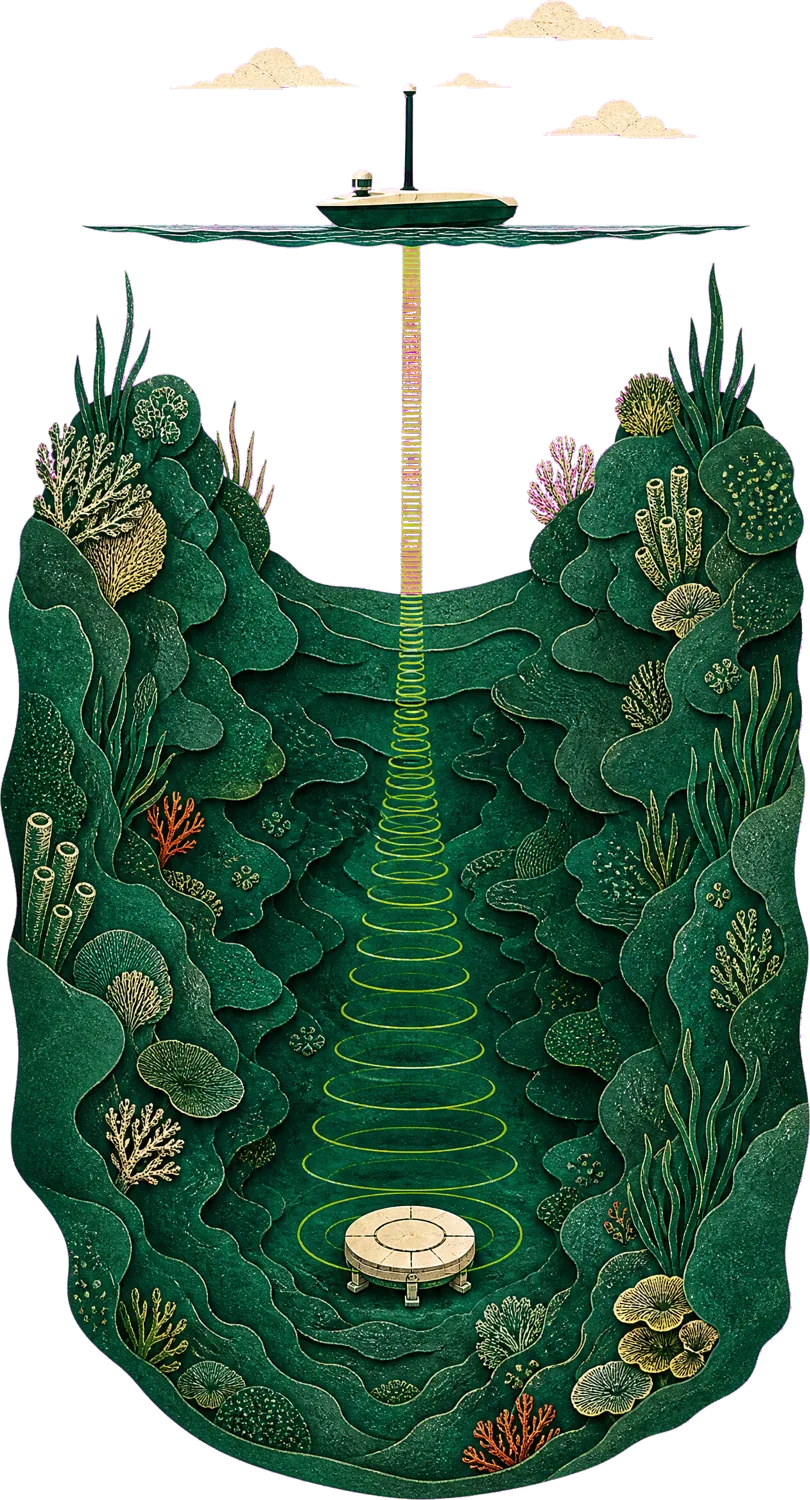
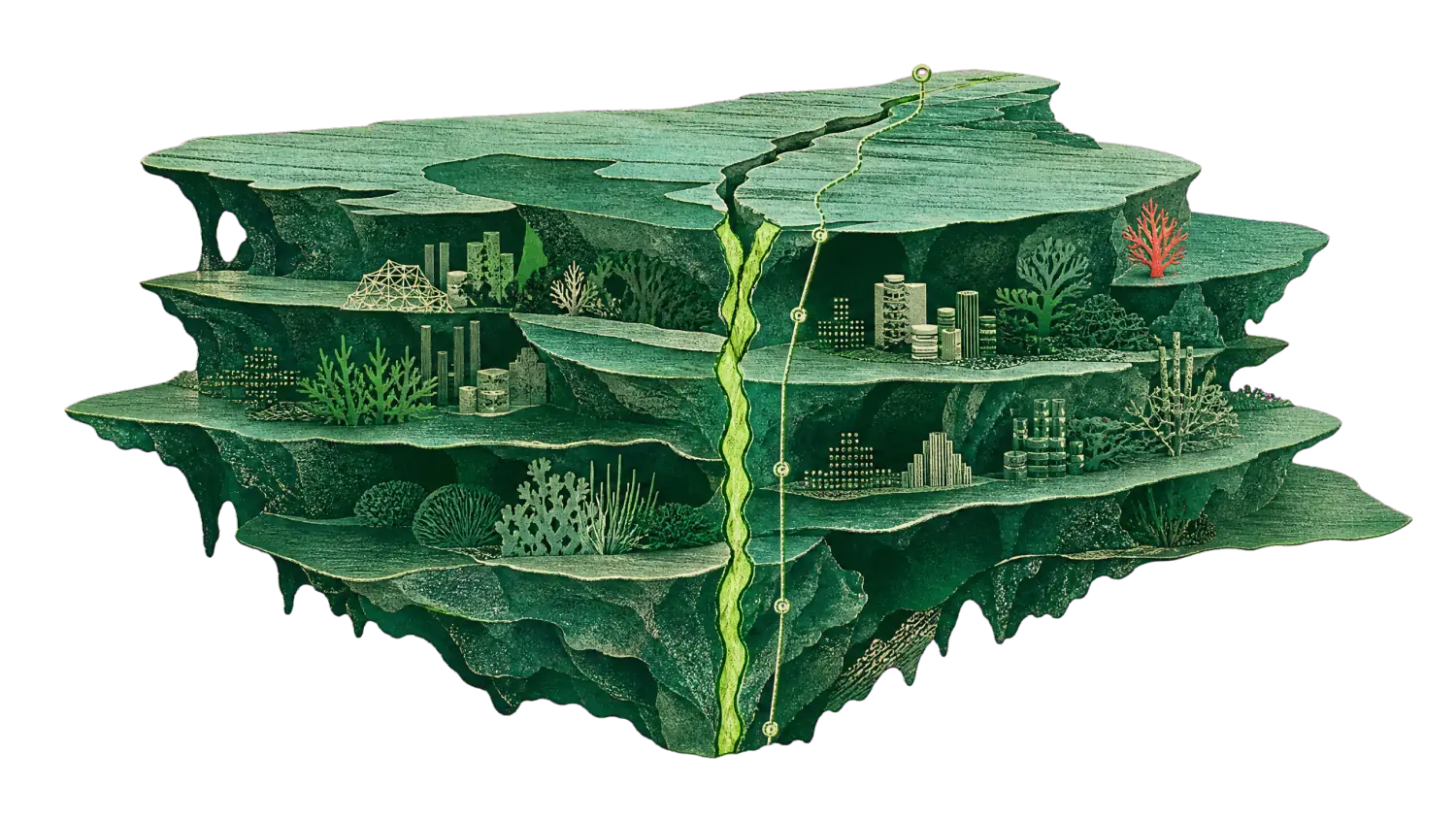
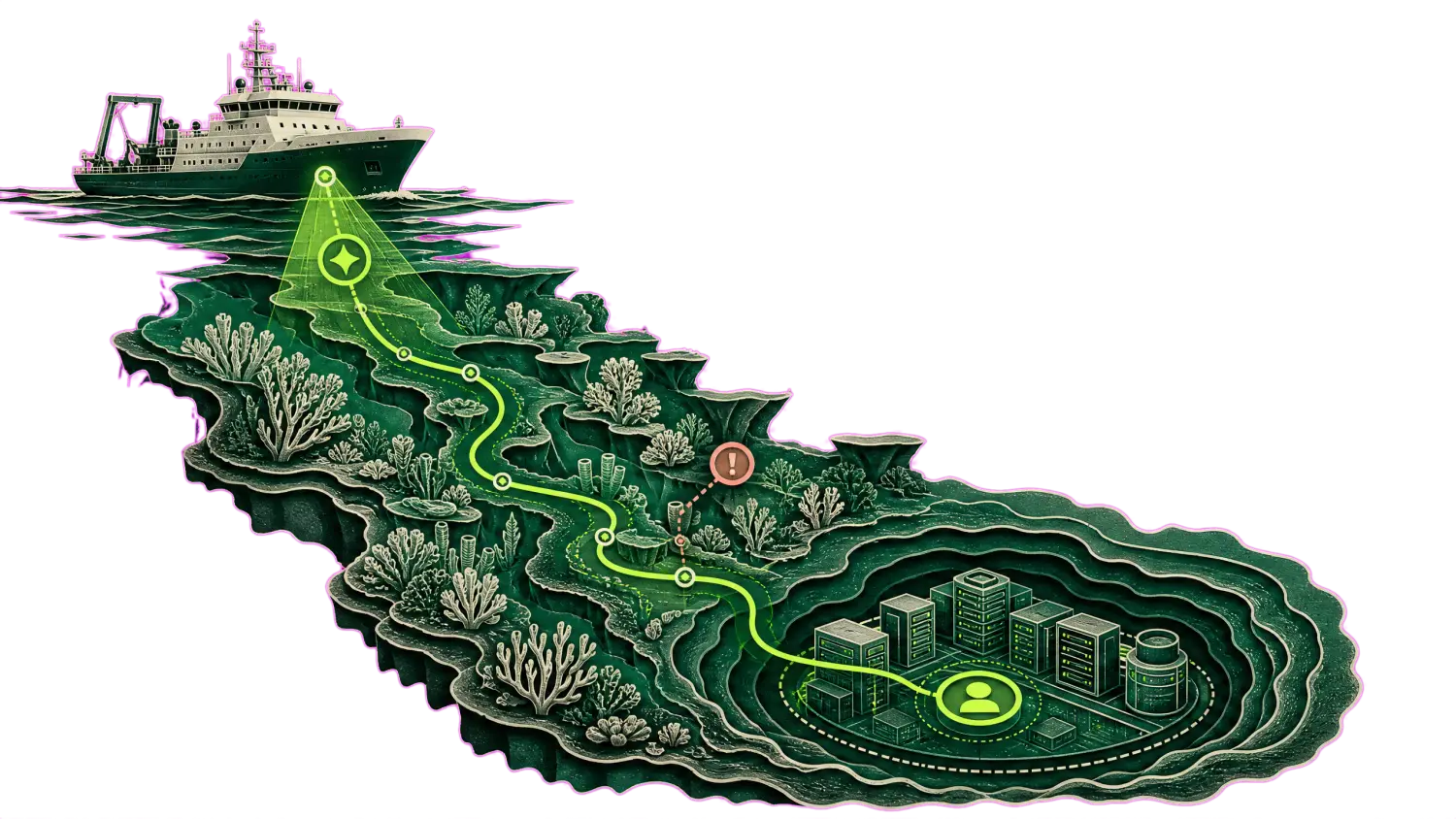

Upwind watches runtime. Tamnoon refuses, or closes and signs the fix.

Add context, correlate, and prioritize Upwind alerts. Trace findings to their root cause for clearer insight into fixing deployment, configuration, and application issues.

No scanner to replace. No contract to end.
Nothing to install in production.

Upwind issues, plus the context that decides them Safe
Risky
Awaiting data

Upwind found it in minutes. The finding is still open in month five.

53 percent of everything ever detected is still open. The State of Cloud Remediation 2026, 14.86M detections across hundreds of enterprise environments.

Upwind alone

Upwind plus Tamnoon

An issue opens

Runtime-validated by the eBPF sensor, prioritized

The finding

Investigated read-only, then rated

A CVE arrives

Function-level reachability filters out the noise

The finding

The reachable ones get a safe fix, or a reasoned refusal

Identical issues

One rule, one answer

The finding

Six buckets, three answers

Safe

Risky

Awaiting data

What cannot be proven safe

Stays open

The finding

Risky

Declined, with the reason attached

The safe ones

Wait for an engineer

The finding

Safe

Closed on your execution plane

After detection, three questions are left standing:

What remains is the residue every runtime-first queue still carries: the reachable CVE whose patch needs a maintenance window nobody scheduled, the exposed bucket two live services read, the deviation that is real and whose fix is not obviously safe.

That is the mile Tamnoon runs, read-only first, on every finding, with the answer and its evidence filed where your team already works.

Is this fix safe here?

Who answers for it?

Will it stay closed?

An Upwind issue, after the engine has read it.

The queue carries the environment facts that decide the answer. The record carries the change, the owner, the rollback and where it lands in your ticketing.

RecommendationClose public exposure on a production S3 bucket
Made with Tamnoon
Environment
PROD
Exposure
Public
Encryption
True
Resource
S3
Crown jewel
1
Owner
J. Doe
ScannerSeverityFindingEnvironment factVerdict
UpwindCriticalPublicly exposed S3 bucket on the topology mapno flows in 90 daysSafe
UpwindHighRuntime-reachable CVE on an internet-facing workload2 services, live trafficRisky
UpwindMediumRisky API usage flagged against the cloud baselineowner unresolvedAwaiting data
Create an initiative from this recommendation? AcceptReject
TMN-85622 · S3 bucket exposed, no live flows on the mapSafe to remediate
RecordEvidenceTicket
PriorityInvestigatedCloud providerAssetStatusLands in
Mediumread-only, 07:40AWSs3-archive-prod-052Safe
Jira

Read-only investigation runs before anything is proposed, and it is the evidence attached to whichever answer comes back. Identifiers on this page are fictional.

Three Upwind issues. Three different answers.

TMN-85619Upwind
Upwind issue: S3 bucket publicly exposed. The Topology Map shows no live flows to it in 90 days, and no policy depends on it.
Investigatedread-only, 10:14
ChangePUBLIC → PRIVATE
Rollbackready before execution
Safeclosed 10:15

Closed at machine speed on your audit trail. Rescan clean.

TMN-85619
Upwind
Upwind issue: S3 bucket publicly exposed. The Topology Map shows no live flows to it in 90 days, and no policy depends on it.
Investigated
read-only, 10:14
Change
PUBLIC → PRIVATE
Rollback
ready before execution
Safe closed 10:15

Closed at machine speed on your audit trail. Rescan clean.
TMN-85620Upwind
Identical rule, identical severity. The map shows two live services reading this bucket over HTTP right now, one of them external.
Investigatedread-only, 10:14
Dependents2 services, live
Changenot executed
Riskydeclined 10:15

Refused, with the reason. The change that would have caused the 3am page was refused at two.

TMN-85620
Upwind
Identical rule, identical severity. The map shows two live services reading this bucket over HTTP right now, one of them external.
Investigated
read-only, 10:14
Dependents
2 services, live
Change
not executed
Risky declined 10:15

Refused, with the reason. The change that would have caused the 3am page was refused at two.

TMN-85621Upwind
Upwind issue: privilege escalation anomaly on a workload. The owning team cannot be resolved from tags or recent activity.
Investigatedread-only, 10:14
Ownerunresolved
Changenothing touched
Awaiting dataasked 10:15

A third answer, chosen. Ownership could not be resolved, so nothing was touched and the missing context was requested. It does not guess.

TMN-85621
Upwind
Upwind issue: privilege escalation anomaly on a workload. The owning team cannot be resolved from tags or recent activity.
Investigated
read-only, 10:14
Owner
unresolved
Change
nothing touched
Awaiting data asked 10:15

A third answer, chosen. Ownership could not be resolved, so nothing was touched and the missing context was requested. It does not guess.

Identifiers fictional · one healed never travels without the declines beside it

Tamnoon reads Upwind findings.

Through the Upwind API, read access only. No scanner change, no re-scan, no second sensor in production.

Tamnoon investigates before it touches anything.

Live traffic, usage, dependencies and ownership, all read-only.

Tamnoon executes through your change process.

Under your IAM policies, on your audit trail, with rollback defined first.

Tamnoon carries over when you switch.

Move scanners and every judgment already made comes with you.

Tamnoon executes through your change process, not around it.

Findings from your scanner, context from your cloud, changes on your execution plane.

What teams running Upwind ask first.

How is this different from self-healing infrastructure?
+

Self-healing infrastructure restores desired state: a pod restarts, an instance is replaced, a group scales back up. It is availability automation and it exercises no judgment about safety. Tamnoon heals the security posture instead: it investigates the finding in context, decides whether a change is safe to make at all, refuses what it cannot prove, and leaves the receipt behind. Restarting a pod is not the same as knowing which bucket must stay public.

How is this different from Upwind’s own remediation?
+

Upwind automates hygiene on its own findings. Tamnoon works on what remains after that. It investigates each issue read-only in your live environment, groups things together to increase efficiency of each action instead of going a single issue at a time, closes what it can prove safe through your own change process, declines what it cannot with the evidence why, and answers for the outcome.

Upwind already validates with runtime. What does Tamnoon add?
+

Runtime validation answers whether a risk is real. Tamnoon answers the next question: whether the fix is safe to make here, today. A reachable CVE on a workload two services depend on is a real risk and a dangerous change at the same time, and the second fact is the one that keeps it open in month five.

Do we have to change our Upwind setup?
+

No. Tamnoon sits downstream of the Upwind you already run, reading issues through the API with read access. Your sensor, your baselines and your topology stay exactly as they are. No scanner to replace, no contract to end.

We were burned by auto-remediation. Why is this different?
+

A tool that fires fixes blind is an autoimmune reaction: it attacks the body it is supposed to protect. Tamnoon starts from the opposite premise. Every fix is investigated read-only first, against live traffic, usage, dependencies and ownership. What it cannot prove safe it refuses, and the refusal ships with the evidence why. You were not wrong to pull the plug on a tool that could not tell you why a change was safe.

What do I tell my change advisory board?
+

They approve a change class, not a black box. Starting mode is SAFE-only: the engine closes only the class of change your board has approved, through your own change process, under your IAM policies, on your audit trail. Autonomy widens on evidence, class by class, and every decision leaves a record your auditor can read.

See the engine run against your own Upwind console.

Read-only, in the first meeting. Live discrimination, a live refusal, and a live safe heal.